CHA Library
Since 2022 we’ve been building our library with articles, white-papers, educational documents, and opinion-pieces to preserve information and knowledge.
Are you Wiping Your Butt With PFAS?
May 09, 2026 - Etienne de la Boetie2
Full Article
Are you Wiping Your Butt With PFAS?
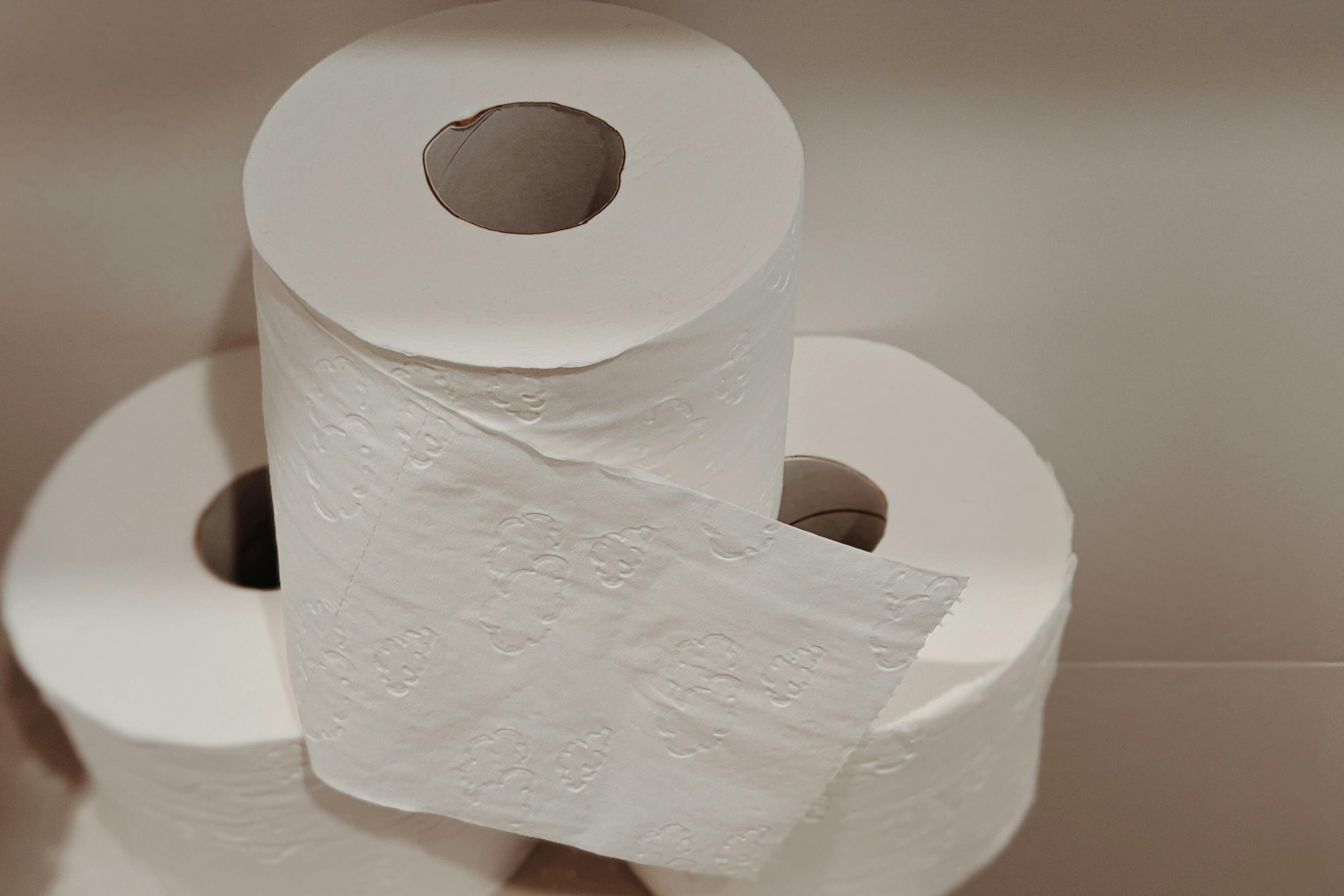
Etienne de la Boetie2 of The Liberty Outlook has recently written a concerning article about how we are being contaminated by PFAS, which most people are completely unaware of, and that the risk of exposure is from paper products, specifically toilet paper.
In 2023, researchers at the University of Florida tested 21 major toilet paper brands from North America, South America, Africa, and Europe. They were looking for PFAS, the synthetic “forever chemicals” linked to cancer, immune suppression, and reproductive harm.
They found them in EVERY SINGLE SAMPLE!! The specific compound, 6:2 diPAP, showed up across all brands and all continents. The contamination is global.
It doesn’t stay as 6:2 diPAP, either. It breaks down in the body into other PFAS compounds, including PFOA, one of the most studied and most harmful forever chemicals in existence. The study, published in Environmental Science & Technology Letters, estimated that toilet paper contributes about 4% of the 6:2 diPAP found in U.S. sewage, 35% in Sweden, and up to 89% in France.
How do PFAS end up in toilet paper? Paper mills use PFAS during the wood-to-pulp conversion process, applying it to equipment to keep paper from sticking. “We believe it comes from the pulping process and is put on instruments to keep paper from sticking,” lead author Timothy Townsend told Healthline. Both virgin and recycled toilet paper tested positive. There’s no opting out by choosing one type over the other.
Americans use an average of 141 rolls of toilet paper per capita per year, about 28 pounds of the stuff. That’s the highest per-capita consumption in the world. Add paper towels (multiple times daily for most households), paper napkins at meals, paper plates at cookouts, paper coffee cups at work.
Think about how many times you touch paper products in a single day. Morning coffee in a paper cup. Paper towel to dry your hands. Toilet paper, multiple times. Paper napkins at lunch. Paper plate at a barbecue. Each contact is a small exposure. Individually, the concentrations are low. Cumulatively, over a year, over a decade, over a lifetime PFAS don’t break down. That’s literally what “forever chemical” means. They accumulate in your blood, your liver, your bones.
And it isn’t just direct skin contact, which is particularly the problem with toilet paper. Consumer reports tested over 100 food packaging products from major restaurant and grocery chains in 2022 and found PFAS in packaging from every single retailer. More than half of the 118 products tested showed evidence of forever chemicals. That includes paper bags for french fries, hamburger wrappers, salad bowls, and single-use paper plates. Even products labeled “100% compostable” or made from “responsible sources” tested positive.
So what are the options when it comes to toilet paper?
Bamboo-based, totally Chlorine-free (TCF) brands are your best option. The bamboo lines of the ‘Reel Paper’ and ‘Who Gives a Crap’ brands (and yes, ‘Who Gives A Crap’ is a brand of toilet paper, however, you likely won’t find it on your average Canadian supermarket shelf) both use 100% bamboo fiber with TCF bleaching. ‘PlantPaper’ and ‘Caboo’ (which is more widely available in Canada) are also rated well by the Natural Resources Defense Council. Bamboo grows rapidly without pesticides, and TCF bleaching uses hydrogen peroxide instead of chlorine, eliminating the dioxin problem entirely.
The other option: get a bidet. It uses about one pint of water per use and cuts toilet paper consumption by roughly 80%. Less paper touching sensitive tissue means less chemical exposure, period. Most of the world already does this. Americans are the outliers, and the extra bonus is that next time there’s a supply chain disruption and you can’t get toilet paper at the store, it doesn’t concern you.
By Etienne de la Boetie2 of The Liberty Lookout.
You can read the full original version of this article at: https://thelibertylookout.com/p/part-10b-are-you-wiping-your-butt or at: https://dailynewsfromaolf.substack.com/p/are-you-wiping-your-butt-with-pfas
Other sources for this article include:
https://pubs.acs.org/doi/10.1021/acs.estlett.3c00094
https://www.nrdc.org/stories/best-worst-tissue-brands
https://www.consumerreports.org/health/food-contaminants/dangerous-pfas-chemicals-are-in-your-food-packaging-a3786252074/