
CHA Library
Since 2022 we’ve been building our library with articles, white-papers, educational documents, and opinion-pieces to preserve information and knowledge.
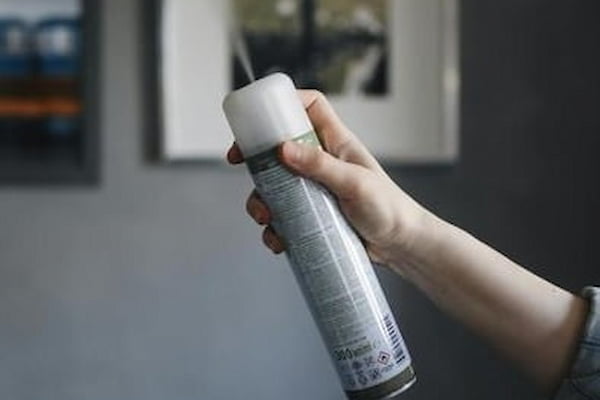
Indoor Air Fresheners May Actually Be Poisoning You
Dec 28, 2025 - GreenMed Info
Full Article
Indoor Air Fresheners May Actually Be Poisoning You
Now that we are getting into the real grip of winter and the temperatures are getting colder outside, we are all inevitably spending more time indoors. With that there is always a concern about closed spaces getting stuffy and stale, so many people resort to air fresheners both in their cars and in the homes, especially if they are having guests over for the upcoming festivities.
However, you need to be cautious because air fresheners could actually be eroding your health with all the volatile, organic compounds (VOC’s) that they release into your living space. In fact recently the EPA found levels of common air pollutants to be up to five times higher inside homes than outside, even in highly industrial areas. While in some highly ‘freshened’ homes, toxins in indoor air can reach levels up to 100 times higher than outside air. And it’s the effort to create “freshness” that is largely to blame.
According to an article published by GreenMedInfo at the beginning of this week, the United States EPA recognizes indoor air quality as a top environmental risk to public health. Problems such as asthma, chronic fatigue, breathing problems, allergy, and sinus infection, among other serious concerns, are often directly attributable to breathing contaminated indoor air.
With some individuals, particularly the elderly who often spend most of their time indoors, it’s easy to see how poor air quality can quickly devastate their health. But breathe easy! A little bit of knowledge and focused action goes a long way towards restoring your home to the safe sanctuary you intended it to be.
The primary pollutants inside of our homes are VOCs: volatile, organic compounds, that get released in gaseous or particulate form, from furniture, paints and varnishes, cleaning products, flooring, air fresheners, and even clothing and personal care products. These dangerous chemical emissions remain trapped in the air of a closed home, where they are inhaled by inhabitants, causing untold damage to cells. Thanks to medical research, we know the damage that can occur when people come into contact with the 182 known toxicants on the EPA’s list of Hazardous Air Pollutants.
The ugly truth is, most of these chemicals are not banned from use. Rather, they are allowed into our homes, offices, and public transportation, under what the EPA deems “safe, allowable limits.” These limits, set on known carcinogens and genotoxins, are largely based on hypothetical data, since testing for actual harm to humans would be unethical to perform. Even if every product in your home was under these arbitrarily-set limits for known toxins, what are the levels when you combine ten or twenty such products in the same room? What happens if you close that room for a long, summer weekend with no A/C running? Your home can quickly become a toxic soup of VOCs that are literally hanging out in the air and on surfaces, waiting for your return.
As with any toxic chemicals, the amount to which we are exposed is a critical factor in health outcomes. With so many products coming together under the roof of the average home, it’s a safe bet that multiple contamination sources are lurking. When these toxicants converge, not only do the overall levels of each chemical increase, but volatile organic compounds can bind with other VOCs, forming new and sometimes more dangerous compounds that are so limitless in their potential formations, it’s virtually impossible to study them and ascertain their risk.
Even if your favourite spray cleaner has been tested for safety and passed, it hasn’t been tested for how it combines with your favourite scented lotion, which you apply several times a day. Or how it mixes with the toilet cleaner, vinyl shower curtain, soap scum remover, and Glade plugin in a tiny bathroom, where the door is usually shut. The types of emissions coming from these and other household products are serious enough to warrant concern on their own merits. The potential toxic combinations that can form should seal the deal when it comes to evaluating if these products deserve a place in your home.
One of the biggest and most deceptive sources of VOCs are “freshening” products, meant to instil a sense of confidence in “clean” surroundings. Freshening products of all types have been identified as containing VOCs, specifically formaldehyde, benzene, toluene, styrene, and phthalates. Sprays, powders, plug-ins, diffusers, sachets, potpourri, scented candles, and car vent clips, have all been found to contain these chemicals, despite no mention on most product ingredient lists.
Lax regulation allows manufacturers to omit these chemicals from labels in many cases, opting for the catch-all term “fragrance” that is less likely to set-off consumer alarm bells. What “fragrance” means in these products, is a chemical cocktail that can be comprised of literally hundreds of ingredients.
A recent post by Dr. Kelly Brogan titled, “Is Your Uber Making You Sick,” (see the link below) reveals an astounding 19-page list of chemicals used in the making of Proctor & Gamble’s Febreeze Car Vent Clips, and home air fresheners are just as bad!
And most people are intuitively aware of it. According to 2016 study, there is an overwhelming preference for safe and unscented environments:
* 50% of the population prefer that all public spaces are fragrance-free
* More than 20% leave a business as quickly as possible if they smell air fresheners or some fragranced product.
* More than two thirds of the population say they fall for “greenwashing”–the false belief that “green” and “organic” products are safe–but over 60% would stop using a fragranced product if they knew it emitted pollutants.
* Nearly 35% of the population reported health problems, such as migraine headaches and respiratory difficulties, when exposed to fragranced products.
* More than 15% have lost a job or some workdays due to exposure to fragranced products in the workplace.
While we must wait for regulatory agencies to catch up to public awareness, there is much we can do to ensure that the air in our home and workplace is as fresh (really fresh!) as possible. Rely on natural home cleaning products, and use only natural beeswax or soy candles that are scented using essential oils. And don’t forget to regularly vent your homes (yes, even in a minus thirty degree Albertan winter!) to allow VOCs a safe escape.
We would strongly recommend reading the full article on this on the GreenMedInfo blog at: https://greenmedinfo.com/blog/consumer-alert-air-fresheners We would also recommend that you subscribe to GreenMedInfo who publish exceptionally good articles based on detailed research data on an almost daily basis!
Other sources for this article include:
https://www.kellybroganmd.com/is-your-uber-air-freshener-making-you-sick
https://greenmedinfo.com/blog/killer-germs-obliterated-medicinal-smoke-smudging-study-reveals